



Programs
Friday, 20 November
1:00 p.m. – 4:45 p.m. (JST)
13:00
13:00 - 13:20
Opening speeches by the organizers: The University of Tokyo and the Chey Institute of Advanced Studies
*Chairman Chey Tae-won will participate via video message.
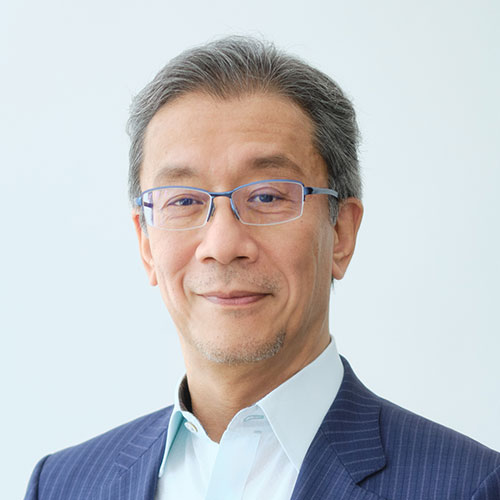
President, the University of Tokyo
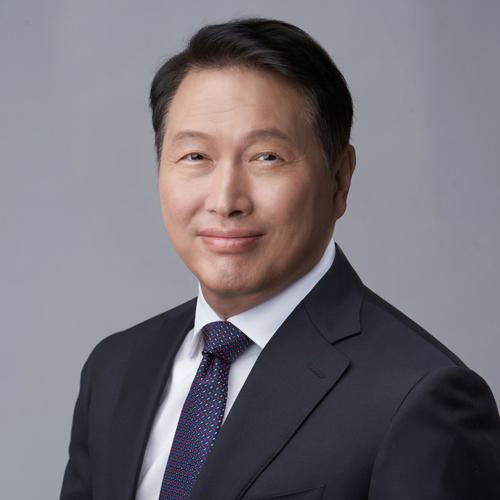
Chairman, SK Group
13:20 - 14:20
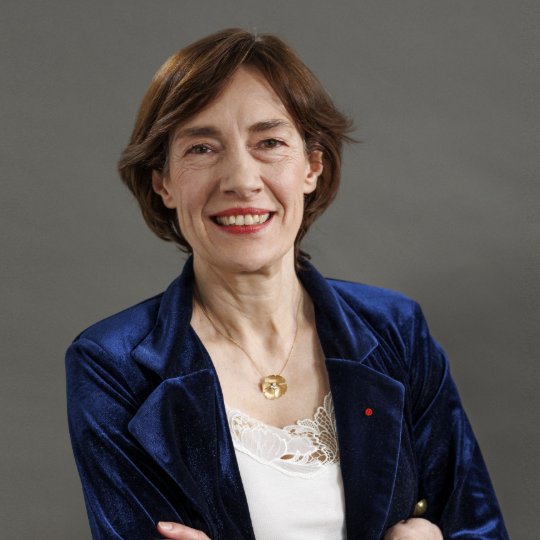
Special Envoy of the President of France for Artificial Intelligence / Chair of the Board of the École normale supérieure (ENS)
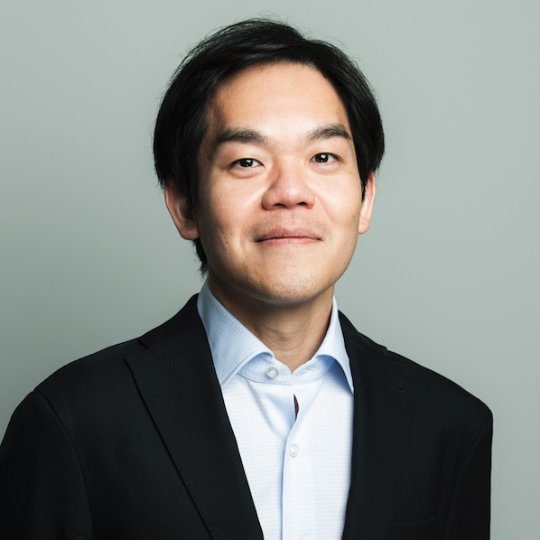
Co-founder and Chairman, Sakana AI
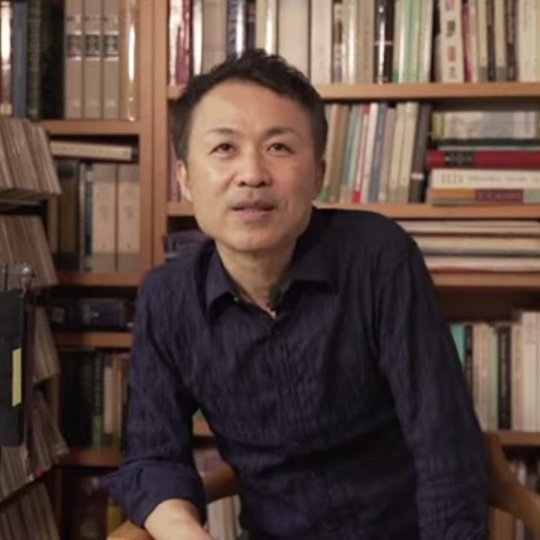
Professor, Graduate School of Humanities and Sociology, the University of Tokyo
14:20 - 15:30
Special Envoy of the President of France for Artificial Intelligence / Chair of the Board of the École normale supérieure (ENS)
Co-founder and Chairman, Sakana AI
Professor, Graduate School of Humanities and Sociology, the University of Tokyo

Invited Professor, Ewha Womans University
15:45 - 16:45
Demystifying AI: Human Society and Technological Advancement
|“Human Society and AI”|
As AI advances at unprecedented speed, a growing asymmetry is emerging in how different sections of society engage with it. AI can be discriminatory, yet also enabling; disruptive, yet full of possibility. To demystify the polarized debate between wonder and fear, the panel critically engages with the genealogy of the ‘civilisational’ ideas and technological determinism prevalent in the AI discourse. Does AI deepen global unevenness, or can it serve as an enabler for those at the lower economic threshold? What is the role of universities in this changing, and challenging, new environment in empowering future generations? Discussions on AI need to be embedded in a more inclusive, and diverse, public discourse, enabling a wider societal engagement with this transformative technology.
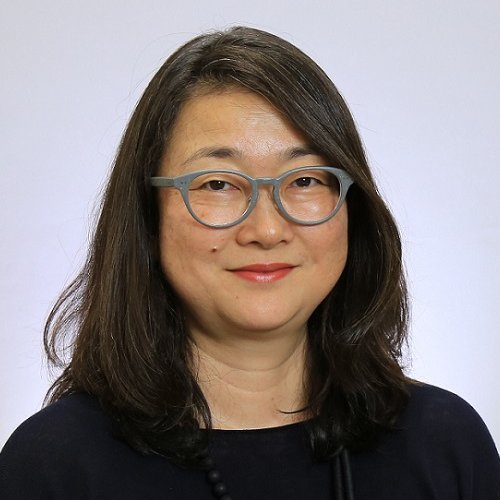
Professor and Deputy Director, Tokyo College, the University of Tokyo Institute for Advanced Study, the University of Tokyo
Professor of Astrophysics and Vice Dean (Research) of the Faculty of Natural, Mathematical, and Engineering Sciences, Kings College London
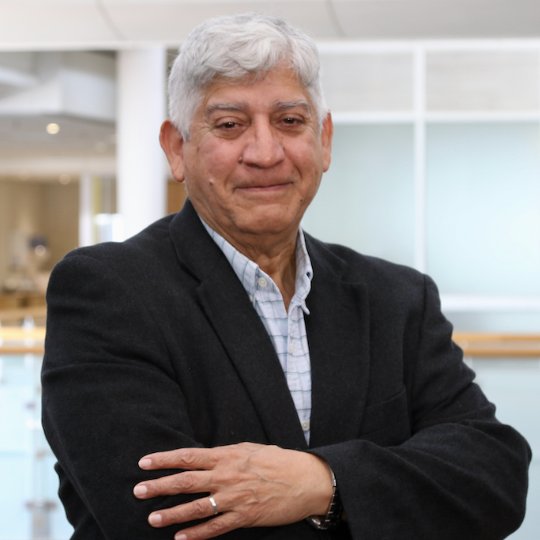
Professor, Johannesburg Business School, University of Johannesburg

Associate Professor, Graduate School of Arts and Sciences, the University of Tokyo
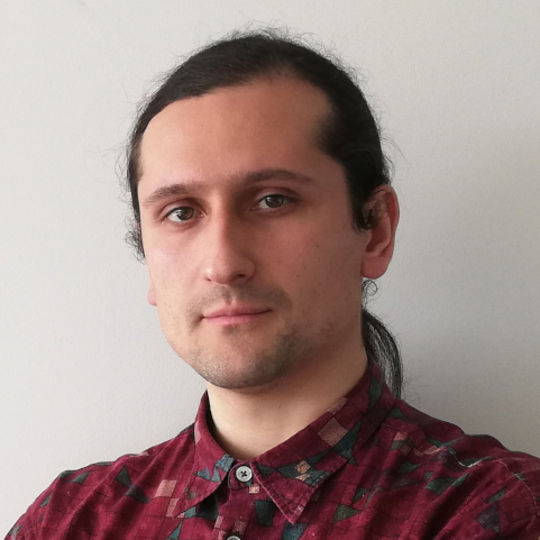
Postdoctoral Research Fellow, Tokyo College, the University of Tokyo
Saturday, 21 November
11:30 a.m. – 5:30 p.m. (JST)
11:30 - 12:30
Over the past few months, 20 students from universities in South Korea and UTokyo, working in four different groups, have conducted research and engaged in discussions on AI. In this session, each group will present their findings and share insights gained from this international joint project.

Project Assistant Professor, Center for Global Education, the University of Tokyo
12:45 - 13:45
Knowledge Beyond Borders: Designing AI for Mental Health and Social Inclusion
“AI and Knowledge for Well-being”
As AI increasingly mediates how people access information, it is changing the relationship between humans and knowledge. Yet much of today's AI remains centralized and designed for a generic user, leaving little room for diverse cultural perspectives and paying limited attention to individual well-being. Well-being Intelligence approaches AI not only as a tool for replacing or augmenting human cognition, but also as a medium for fostering human connection, resilience, and social inclusion. Crossing borders of knowledge means attending closely to and understanding cultural, social, and psychological differences. In this session, we showcase recent human-AI interaction research on supporting people's well-being, and discuss future directions for incorporating local and indigenous knowledge, supporting mental health in ways that avoid deepening isolation or cognitive overload, and designing AI-mediated communication that helps people understand one another better.
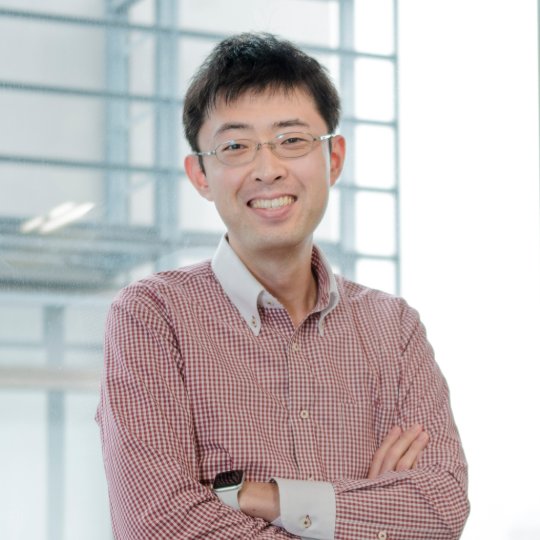
Professor, Graduate School of Information Science and Technology, the University of Tokyo

Associate Professor, Computer and Information Science, University of Pennsylvania
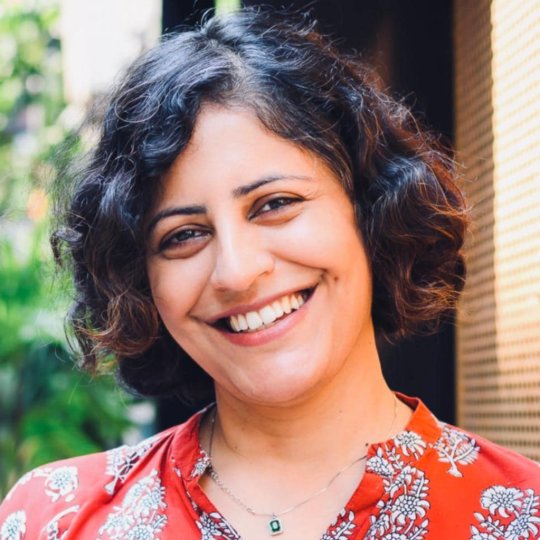
Professor, Georgia Institute of Technology
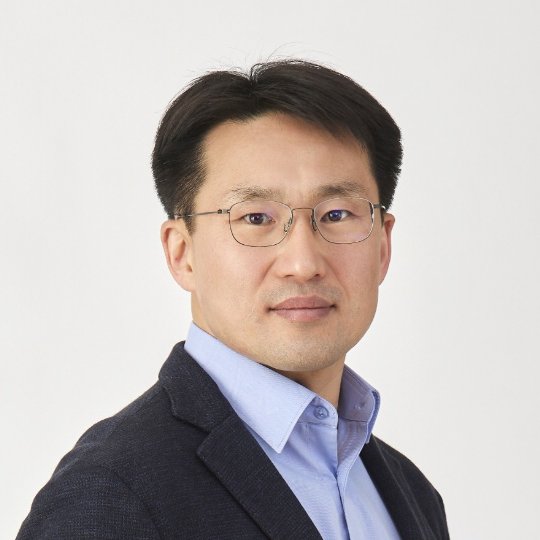
Professor, Department of AI Computing , KAIST
14:00 - 15:00
President, the University of Tokyo
Chairman, SK Group
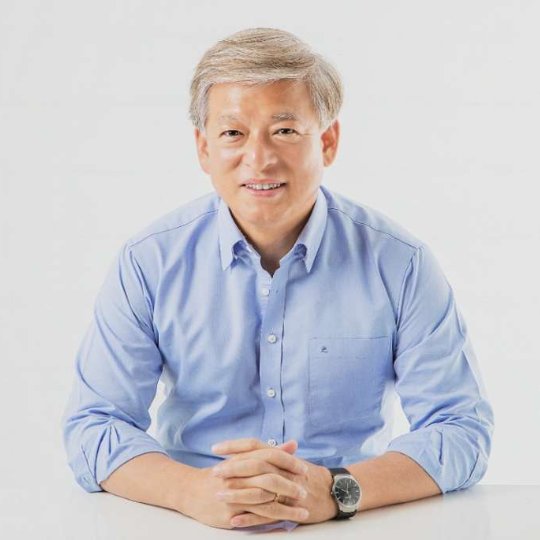
President, Taejae University

Executive Chairman and Member of the Board, NTT, Inc.

President, Sophia University
15:15 - 16:15
The Flow of Memory: Digital Archives Across Time
“AI and Memory”
Digital technologies, including AI, are helping to reshape archives from static “stocks” of information into dynamic infrastructures that connect memory, place, and lived experience across time. By linking testimonies, images, and records of atomic bomb survivors in Hiroshima and Nagasaki to geographic space, archives become narrative “flows” through which people engage with history and unfolding crises. Born-digital materials, including social media posts, open new possibilities for real-time archiving of crises, from the Gaza Strip to areas affected by the Noto Peninsula Earthquake. The central question to be explored: how can people and institutions—not technology alone—sustain inclusive practices that bridge collective memory with present experience?
This session is held as part of the University of Tokyo's 150th Anniversary Commemoration and serves as its tenth Countdown Event.
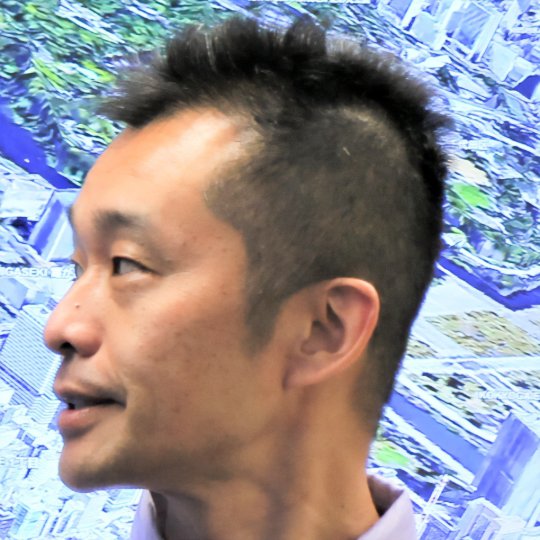
Professor, Interfaculty Initiative in Information Studies, the University of Tokyo
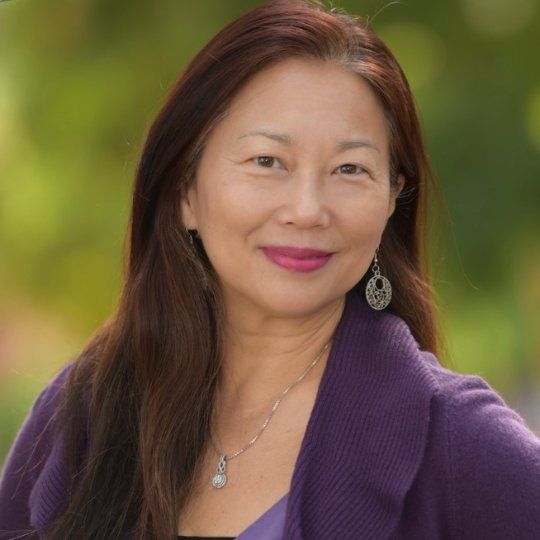
Professor and Chair of the Media & Cultural Studies Department, University of California, Riverside
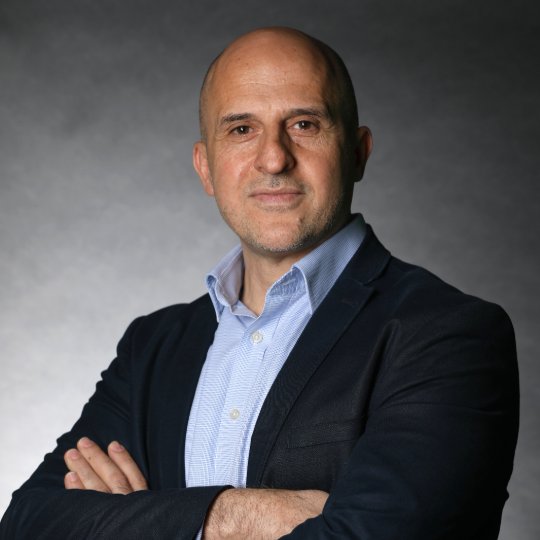
Senior Researcher, Al Jazeera Centre for Studies
16:30 - 17:10
Dialogues for Tomorrow
Invited Professor, Ewha Womans University
Professor and Deputy Director, Tokyo College, the University of Tokyo Institute for Advanced Study, the University of Tokyo
Professor, Graduate School of Information Science and Technology, the University of Tokyo
Professor, Interfaculty Initiative in Information Studies, the University of Tokyo
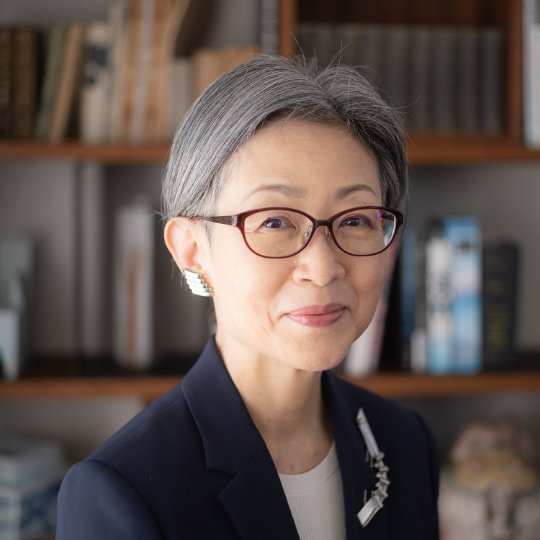
Executive Vice President, the University of Tokyo
17:10 - 17:30
Executive Vice President, the University of Tokyo

President, Chey Institute for Advanced Studies